

The Shocking Truth About Self-Talk | How To Turn Your Biggest Critic Into Your Greatest Ally
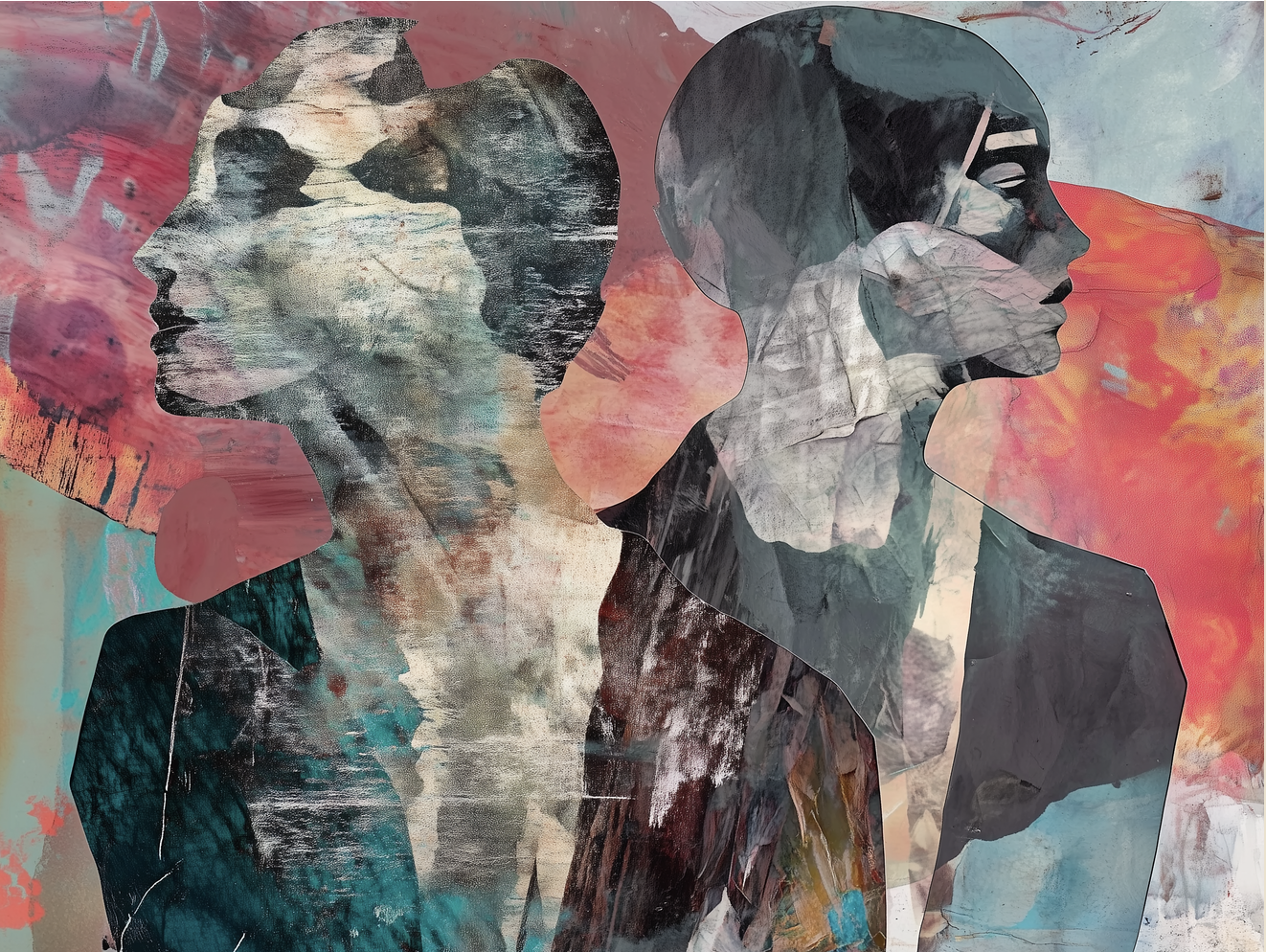
What happens when the doors we’ve always counted on opening for us suddenly slam shut? When our well-worn pathways vanish, and we’re left navigating what feels like a maze of uncertainty? It’s in these moments—when there is no obvious way forward—that the real work begins. However unwelcome, these challenges are often an invitation for us to explore, and ultimately rebuild, our inner world.
“What happens when the doors we’ve always counted on opening for us suddenly slam shut?”
On the Shaping Freedom podcast, Emmy- and Grammy-nominated artist Rhonda Ross, who leads “The Magic of Mindset” community, provides an inspiring example of finding strength in resilience. After years of infertility, a stalled relationship, and a stagnant career, Ross fell into a months-long depression, with her only solace being Oprah Winfrey's show at 4 PM each day. “At my lowest,” says Ross, “I found myself saying: ‘I can't stay, I can't stay here. I've got to figure out how to pull myself out of this.’”
Her turning point did not arrive from a shift in circumstances—no one came to save the day or pave the way. Instead, Ross found her path by changing her perspective. “What I learned was that there's a space between what happens to us and how we feel about what happens. And in that space lives our thoughts, which are actually what determine our feelings,” she explains. For Ross, the way forward followed from the realization that it was her own pessimistic inner voice—and not her outer circumstances—that prompted her negative emotions. By slowing down and paying attention to her internal dialogue, Ross began identifying and challenging the self-defeating thoughts and beliefs that had unconsciously taken root.
“In order to change what we think, we have to start paying attention to how we think.”
This process isn’t always easy. In order to change what we think, we have to start paying attention to how we think. For Ross, that meant learning how to pick up on the brief, subtle moments when her mind offered up some not-so-great ideas, to the tune of: “‘It's too late. I'm too old. I'm not talented’…” “Now that I can see it, I can say, wait, nobody can feel good if they're having that thought,” she notes. By first recognizing these intrusive thoughts, Ross could then begin to replace them with what she calls “intentionally nourishing thoughts.” Nourishing thoughts don’t have to be grand, the-world-is-my-oyster affirmations, if that feels like too far of a reach. Instead, they can start as quiet, realistic assurances that tilt us toward a more balanced and hopeful view of our own humanity, in all its beautiful imperfection.
Ross’s story resonates deeply in today’s political climate, especially within communities of color, where systemic challenges often exacerbate feelings of disempowerment. Her insights remind us that while we may not always control external forces, reclaiming our personal narratives through quiet contemplation—and learning to gently acknowledge and politely reject our self-defeating thoughts—can lead us toward our greater goal: conscious self-determination.
TL;DR (Too Long Didn’t Read)
The Power of Perspective: There is a space between what happens and how we feel about it—our thoughts shape our emotions.
Challenge Negative Narratives: Identifying self-defeating beliefs is the first step to changing them.
Start Small: Intentional, nourishing thoughts don’t need to be grand to be effective.
Freedom Through Inner Work: Reclaiming your internal narrative is a profound step toward personal empowerment.
LEARN MORE