

A Mic Drop Moment for Masculinity | How vulnerability is rewriting the rules of hip-hop
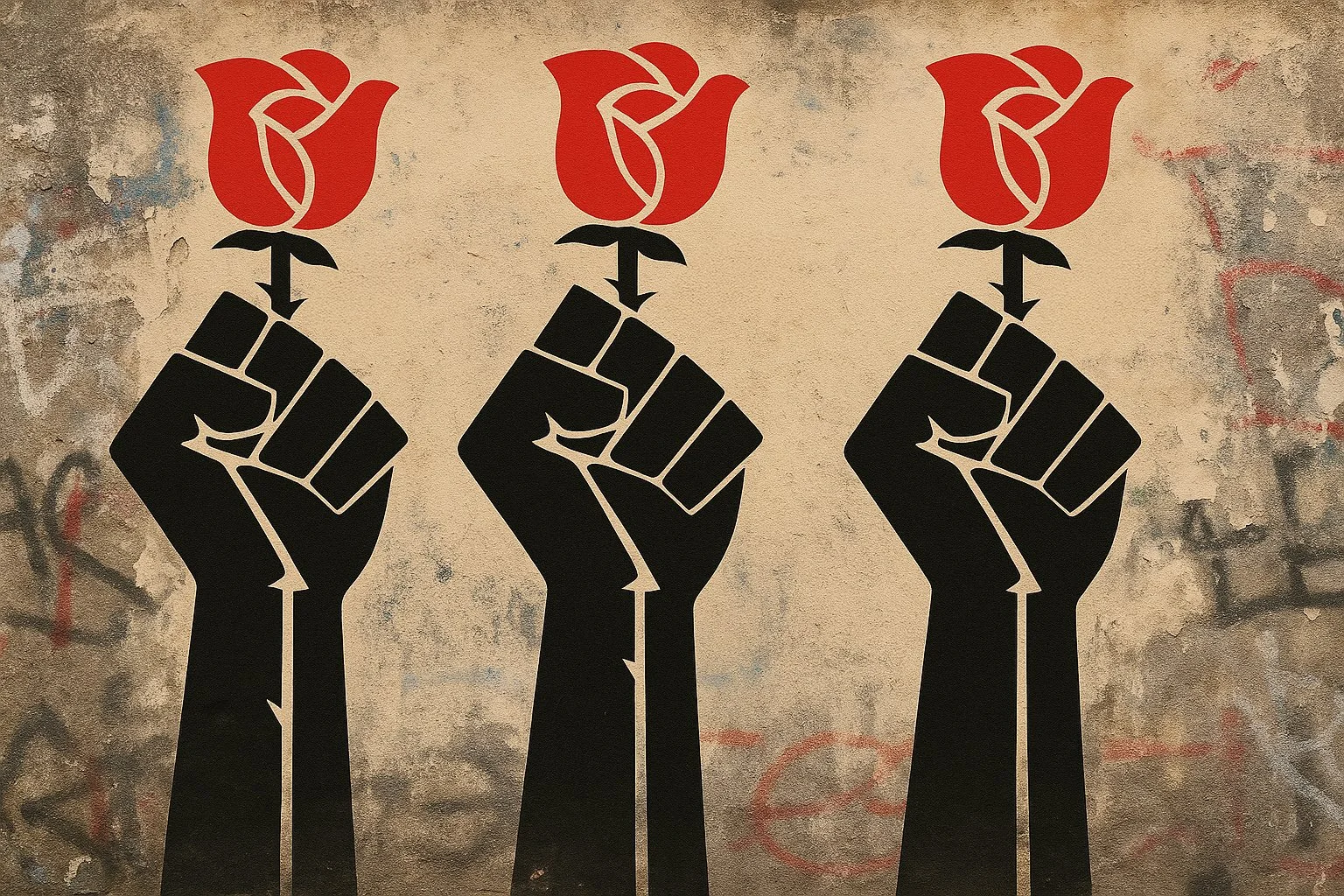
In hip-hop, strength is often measured by stoicism — a hard front that shows no weakness and hides behind external symbols of success. But a quiet revolution is taking place — one not driven by lyrics or labels, but by openness, vulnerability and mental health advocacy.
Across the hip-hop landscape, Black men are increasingly choosing introspection over image, therapy over silence, and healing over the hustle. It’s a shift that’s poised to change the emotional architecture of a generation.
While the music industry has long demanded emotional currency from artists — especially in hip-hop, where pain often becomes performance — what it hasn’t offered is a safe space to process the trauma behind the mic. That’s slowly beginning to change. But, as music industry veteran and mental health advocate Shanti Das cautions, visibility alone is not enough.
“‘Black men must remain emotionally impenetrable to survive.’”
“We're seeing all these artists open up about it, and I’m very excited that finally, we're at a point, particularly in hip-hop, where artists feel OK sharing,” says Shanti, on the Shaping Freedom podcast. “But I just want to make sure they're taking that next step — actually doing the work and getting the help.”
What makes this moment culturally significant is that it challenges a deeply embedded narrative: that Black men must remain emotionally impenetrable to survive. From DMC speaking openly about addiction and suicidal ideation, to Kendrick Lamar’s therapy-laced lyrics, to D-Nice finding salvation in community through Club Quarantine, artists are modeling a new kind of masculinity — one defined by emotional honesty.
“For so long, we’ve been taught, or told our Black men, that you have to be strong and you shouldn’t show your weak or vulnerable side,” says Shanti. “But so many of them are opening up now, and I think it's a beautiful thing in our culture.”
That beauty, however, requires structure. Hip-hop is not just music — it’s movement, party, platform and pressure cooker.
“The music industry, and particularly hip-hop, is a very social industry,” says Shanti. “A lot of events, a lot of clubs and after-parties ... and so we have to make sure that we're putting enough time and attention on that balance.”
Balance begins with behavior, and Shanti believes healing has to be modeled — at home, in studios and in social spaces.
“My vision for Black men and mental health is just continuing to be bold and to be open,” she explains. “And even more important is modeling that behavior for your siblings, for your little cousins, for the people in the community.”
The conversation isn’t just about celebrities. It’s about reshaping cultural DNA — transforming superficial and performative small talk into real talk, and casual greetings into check-ins with depth.
“When they see each other and greet each other and be like, ‘Yo bro, what up?’ You know, they dap each other down.” These greetings may convey warmth, but they lack depth. Instead, Shanti urges, “Say, ‘How are you really feeling? What’s really going on? What can I do to help and support you?’”
She points to community-based efforts like her organization’s “Silence the Shame Sunday Dinners,” where families gather to break bread and break silence around mental health. In one case, a teenage boy who had long refused to speak about his emotions opened up for the first time during one of these events.
“It was the power of just community and food and faith,” Shanti recalls. “Getting back to some of the old things that worked in our families and our culture.”
“Vulnerability isn’t weakness. It’s the next step in the game.”
Still, Shanti is concerned that the urgency around mental health is waning post-pandemic, particularly among industry power players.
“I do think since the pandemic, it's been slowing a little bit,” she confirms. “Labels aren’t doing as much as they were, but that doesn’t mean the need is going away.”
The path forward involves both grassroots healing and institutional accountability. From mobile apps to national partnerships, from podcasts to nonprofit programming, the work must be as layered and expansive as the culture it seeks to serve. For individuals, though, the work starts close to home.
As hip-hop moves beyond its 50th anniversary, we stand at a crossroads — one where beats and bars might still fuel the culture, but healing could define its future. And the message is clear: vulnerability isn’t weakness. It’s the next step in the game.
TL;DR (Too Long Didn’t Read)
Hip-hop is undergoing a cultural shift as Black men prioritize emotional honesty and mental health over traditional stoicism.
Artists are challenging the idea that vulnerability is weakness, modeling a more open form of masculinity.
Shanti Das stresses that visibility alone isn’t enough — real healing requires structure, community support, and sustained effort.
LEARN MORE
Follow Shanti’s journey
Learn about Silence the Shame
Check out Shanti’s initiatives