

Start With the Brain, Not the Blame | Why nurturing your mind begins with honoring your body
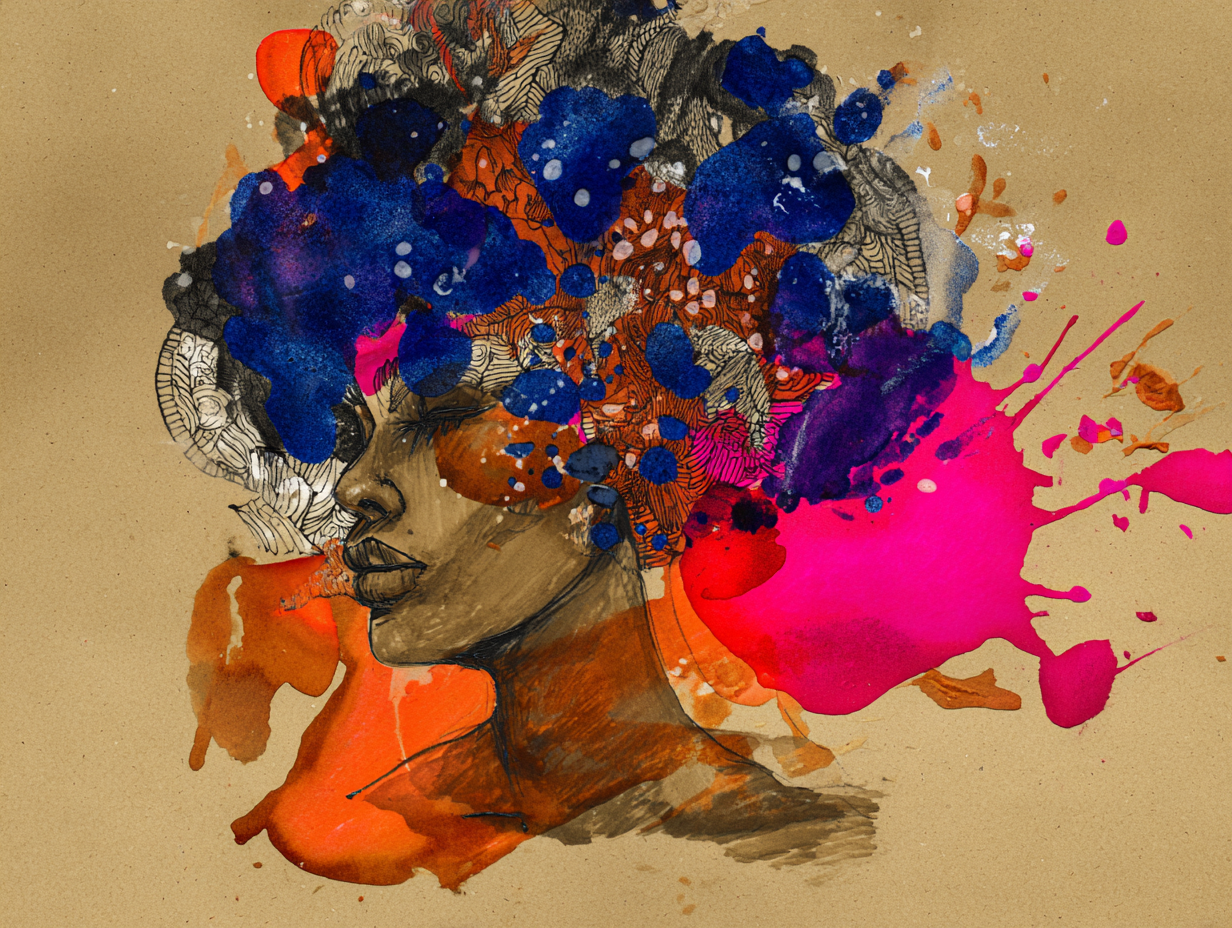
We talk a lot about emotional intelligence. About knowing ourselves, understanding others, and communicating with compassion. But what if that journey doesn’t start with our feelings—or even our thoughts? What if it starts with our brain?
That’s what I took from my powerful conversation with Dr. Napatia T. Gettings. In this episode of the Shaping Freedom podcast, we explored the deep link between brain health and emotional well-being—and what it really takes to raise emotionally intelligent children.
Dr. Napatia T. Gettings is a psychiatrist and founder of Manifest Excellence. She’s also a truth-teller—a woman who speaks plainly, powerfully, and with deep compassion about what it really takes to raise emotionally intelligent children and live a brain-healthy life.
Here are three truths that struck me—and why I believe they can change the way we live, love, and parent:
1. A healthy mind starts with a healthy brain.
“Relational emotional intelligence starts with brain health,” Dr. Gettings told me. “If you get the brain right, your mind will follow.”
We often expect ourselves—and our kids—to regulate emotions without tending to the basic needs that support brain function: sleep, screen time, fiber, hydration, Omega-3s. Dr. Gettings reminded me that these aren’t afterthoughts. They’re foundational.
If a child is irritable or struggling to focus, we’re quick to correct the behavior—but we rarely stop to ask: Did they get enough sleep? Have they eaten fiber today? How much screen time have they had?
That shift—from punishment to curiosity—is how emotional intelligence begins.
2. Emotional wellness is physical, too.
We talk about the mind like it floats in space. But the mind lives in the brain. And the brain lives in a body.
Dr. Gettings made it clear that brain care isn’t abstract—it’s biological. When she works with parents, she starts with the basics: nutrition, rest, movement, and nervous system regulation. Before we can even talk about emotional discipline, we have to talk about blood sugar.
That was a wake-up call.
We ask our children to be calm, flexible, attentive. But are we building the conditions for that? And are we applying those same standards to ourselves?
Before we label a moment as a meltdown or a mood, we need to ask: Is this body regulated enough to handle this feeling?
3. OUR Children LEARN FROM the lives we live, not the lines we speak.
We want our kids to set boundaries, to ask for what they need, to know themselves. But are we doing those things?
The way we treat our own needs—whether we honor them or override them—is the real curriculum. Our children watch how we rest. How we respond to stress. How we communicate. How we recover.
Dr. Gettings reminded me: modeling relational emotional intelligence isn’t about being perfect. It’s about showing up with intention. Listening to your body. Taking care of your brain. And allowing your own healing to ripple outward.
The truth is: tending to your brain is a form of self-respect.
Dr. Gettings offered a perspective I can’t un-hear: the way we feed, rest, and regulate ourselves is the foundation from which all other growth emerges.
It’s not about micromanaging your health or getting obsessed with every nutrient. It’s about remembering that your brain is a living part of your body—and it needs care, not just discipline.
So today, I’m inviting you to start small. Drink the water. Turn off the screen. Prioritize sleep. Give yourself the space to breathe. And when you do? Watch how much easier it becomes to love, lead, and live with clarity.
TL;DR (Too Long Didn't Read)
The most important boundaries you'll ever set are with yourself—watch your internal dialogue
Your trauma can become your transformation if you're willing to get higher perspective
Real strength isn't performing invincibility—it's protecting your peace and knowing when to rest
You can be the one in your family lineage who chooses to break destructive patterns
Learn More