

The Grind Before the Glory | Why discipline beats talent every time
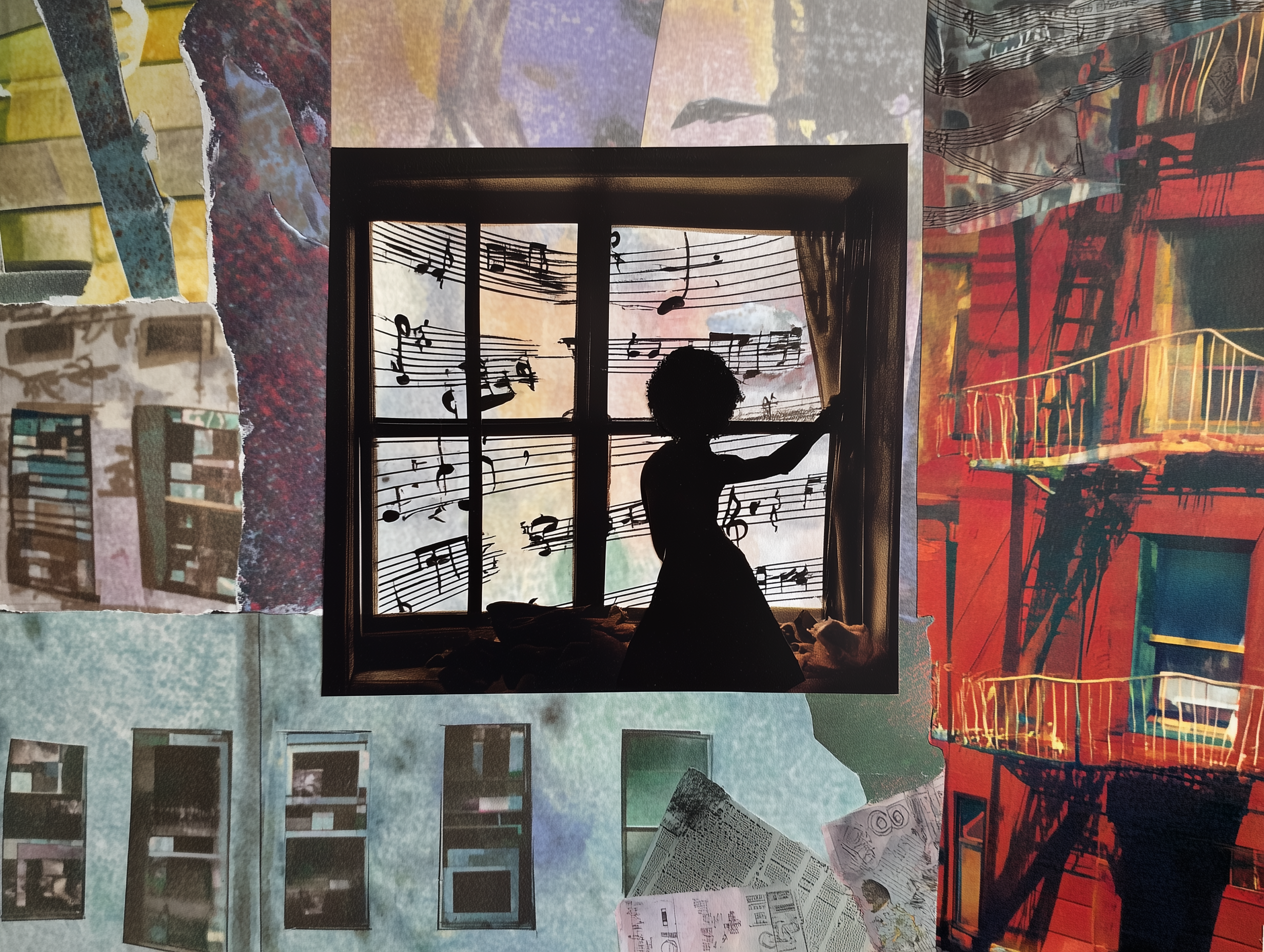
Autumn Rowe grew up in the South Bronx in the 1980s with a window she used to keep open. Not for air. For music. There was always a DJ somewhere in the projects. Always something coming through. Her mother, a Jewish woman from Livingston, New Jersey raising a daughter alone in an all Black and Hispanic neighborhood, played Stevie Wonder and Aretha Franklin and Carole King in the apartment. Autumn absorbed all of it.
She knew she was a writer by the time she was four or five years old. She just didn't know yet that writing songs was a profession.
Autumn went on to become a Grammy Award-winning songwriter, producer, and vocal coach. She has written for Dua Lipa, Diana Ross, FKA twigs, Ava Max, and Leona Lewis. She co-wrote and produced songs on Jon Batiste's album We Are, including "Freedom" — the album that won Album of the Year at the 2022 Grammys. Before any of that, she was a girl on the subway with a voice recorder and something she needed to get out.
When she joined me on the Shaping Freedom podcast, three patterns came through that have nothing to do with the music industry and everything to do with how anyone builds something real.
1. The gap between starting and arriving is longer than you think — and that's not a sign you're doing it wrong
At age 16, Rowe had an internship at Island Records, which helped her decide that she preferred creating music over working with labels. She tried writing songs when she was 18. People told her the songs weren't good. She kept going. She didn't have her big break until she was 28.
That's ten years.
During that time she worked at Bloomingdale's. Then at a shoe store called Aerosoles on the Upper East Side, hauling shoes up and down a flight of stairs all day and dealing with the challenges of customer service. On weekends she was singing in wedding bands. On the nights she wasn't doing that, she was commuting two hours to a studio in New Jersey, getting home at four in the morning, showing up to the shoe store at nine-thirty. Then, doing it all again.
"I don't think I'm more talented than anybody," she told me. "I just think I didn't give up, really. I came up with people I think are far more talented than myself, but they stopped."
The discipline wasn't glamorous. It was a choice she made every day against the alternative. Staying put, staying small, accepting a life that didn't fit. That was the thing she was running from. Not toward some guaranteed outcome. Away from what happens when you stop.
2. Presence is where the work actually happens
There was a night Autumn was waiting for a bus home from Bloomingdale's. Harry Connick Jr. started performing outside, full orchestra, Christmas time, the whole thing. She stood there watching him and felt something she hadn't been able to locate in a while.
She went home and read A New Earth by Eckhart Tolle. It shifted something. The anxiety she'd been carrying about where she was supposed to be by now, the weight of 25, 26, 27 with nothing big to show for it, started to loosen. Not because her circumstances changed. Because her relationship to time did.
"I was worried about things that didn't exist yet," she said. "None of it existed. It was all in my head."
She saved a week of paid vacation from the shoe store, booked a hotel near a studio in New Jersey, and gave herself one directive: write something this week that lets you quit this job. She said it out loud. She wrote it down.
She wrote "Happiness." It debuted at number three in the UK and went on to become the official song of the 2011 FIFA Women's World Cup in Germany.
The song didn't come from pushing harder. It came from getting present enough to let something through.
3. The work before the recognition is the work that actually counts
When Autumn and Jon Batiste wrote "Freedom," they were in his Colbert dressing room. They barely slept in eight days. There was a full drum set in the shower. Nobody outside that room knew what they were making or why it mattered.
"It's the best time to ever make music," Autumn told me. "Before the world discovers what you're doing. There's no taints. There's no expectations."
When We Are won Album of the Year at the Grammys, she was shocked. She hadn't won anything else that night. She was thirsty, hungry, had a migraine, and her feet hurt. She wasn't even close to the stage when they called it.
What struck me wasn't the win. It was what she said about everything before it. She spent years not celebrating anything. One song, on to the next. The FIFA moment happened in Germany and she didn't go. Kept grinding. Didn't give herself space to feel any of it. The people around her kept telling her to just write another one. Keep going. She didn’t believe she deserved it. She's different now.
Today, As a publisher with her own company, she tells her writers to go to Italy. To take the weekend. To enjoy what they made before moving on to the next thing.
The Grammy was proof of concept, but not the kind most people assume. It was proof that you can build something real by following your own instincts, staying in the room, and refusing to let other people's inability to see your vision be the deciding vote.
"Everything's not for everybody," she said. "There were certain people that just didn't get it. But it wasn't for them to see."
Bring it to life first. Then decide what to do with it.
TL;DR
The gap between starting and arriving is longer than it looks from the outside. Autumn Rowe spent ten years building the craft before anything broke.
Presence is the prerequisite. The song that changed everything came from a week of stillness, not more grinding. When you stop running toward a future that doesn't exist yet, you make room for what's actually available right now.
Recognition doesn't validate the work. The work in the room, before anyone is watching, before anyone understands what you're making, is the thing that matters.
Learn More
Follow Autumn Rowe on Instagram at @autumnrowe to see what it looks like when someone keeps showing up for the work, long before the world knows why.
Listen to the full Shaping Freedom episode to hear Autumn talk about writing "Freedom" in two hours, chasing Jon Batiste across the internet for months, and what becoming a mother taught her about the depth of love she didn't know she had.