

A Radical Act of Existence | Why real connection starts where the algorithm ends
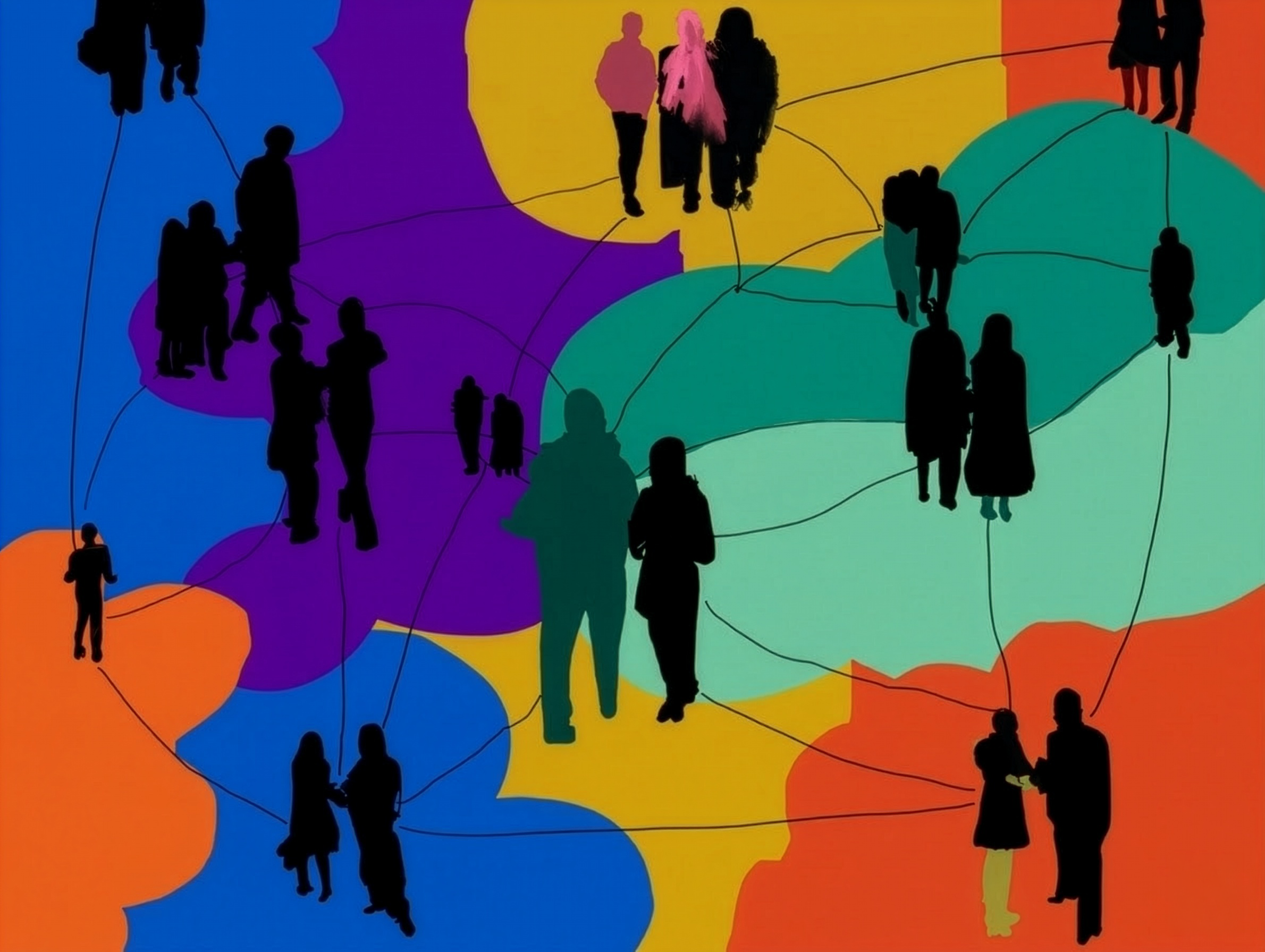
Alphonzo "Phonz" Terrell didn't set out to build a social media platform. He was paying attention to something most people overlook: who drives the most cultural value online and who pays the highest price for showing up. The answer to both is the same. Marginalized communities. The people who make these platforms worth visiting, and then pay the highest price for being there.
Then Elon bought Twitter. Phonz got laid off. He tweeted that it was time to build something new, called his friend Tavares Brown, and got to work.
Soon after, Phonz launched Spill. He's since been named to CNN's Risk Takers list and Fast Company's most innovative companies in social media. The platform hit number one on the Apple App Store at launch in mid-2023, has crossed 750,000 downloads, been named Apple's number one app of the day twice in three years, and was featured as an Essential Social App last November. But the thing that kept me thinking after our conversation wasn't the growth. It was the premise: what happens when a social network starts with humanity.
When Phonz sat down with me for the Shaping Freedom podcast, the conversation cut straight to something we don't talk about enough, what it costs to show up online when the space wasn't designed to hold you. Three things surfaced that are worth paying attention to:
1. Social media doesn't have to feel like a war zone
Being Black, queer, or a woman online is still, as Phonz described it, a radical act of existence. The harassment is constant. And most platforms have done very little to change that. Phonz built Spill because he believed something different was possible. There is no Black Spill for example; it's just Spill. The default is humanity, not defense. "Having that freedom and that baseline of safety is essential on the pathway to liberation," Phonz told me. You don't have to explain yourself. You don't have to fight to be there. You just get to be. That's not a small thing. That's what inclusive actually looks like when someone decides to build a solution instead of just accepting the status quo.
2. The patterns you see online are the same ones running your life
Phonz and I got into something that surprised me. We started talking about the narcissism playing out at the macro level right now — and how those same patterns show up at the micro level. In families. In communities. In our own habits. That's where we actually have power, not pointing from the bleachers, but allowing the mirror to do its job.
Phonz practices Buddhism. He shared something that stayed with me. In his tradition, happiness isn't the absence of problems. And it's not just over the next mountain — the next job, the next relationship, the next milestone. We get sold that version constantly. But real fulfillment is something closer. It's knowing your purpose and trusting that whatever comes, you can handle it.
So here's the question. What's your intention when you go online? Are you building connections or collecting followers? According to the US Surgeon General, we're spending 60% less time with friends than twenty years ago. And those numbers are from 2019 (before the pandemic). Phonz said it simply: "If our tools do their job, you will make one, two, maybe three genuine life-to-life connections that will change your life."
3. Find a gnarly problem and go after it
Someone asked Phonz what advice he'd give high school students. His answer — find the gnarliest problem you can find and throw yourself headfirst into it. That's what he did. The problem was hate speech and harassment online. Nobody thought it was solvable. He went after it anyway.
When you look at what Spill offers — the groups, the tea parties and #FaceCardFriday — it all points to the same thing. Agency. The decision to create something instead of consuming what's handed to you. When Phonz talks about people on Spill, he doesn't call them users. He calls them members. He doesn't call it a platform. He calls it a home. That tells you everything about what he's building and who he's building it for.
Phonz asked himself a question at 16 that changed his life: what does it mean to be an incredible person? Not just a person. An incredible one. You can see his response to that question in everything he's built since.
TL;DR:
Your guard is up because social media "enragement" taught you to keep it there. Pay attention to the spaces that celebrate positivity, that's where growth happens. Safety isn't a luxury. It's the foundation.
A thousand notifications won't replace one person who actually sees you. The loneliness we're all carrying isn't personal, it's what happens when we mistake followers for friends.
The leaders worth paying attention to are the ones building spaces that outlast them. Not for clout, not for a quarter, for the people who come next. That kind of thinking is rare. Support it when you see it.
Learn More:
Download the Spill app and introduce yourself. Find your people, join a group, or show up for #FaceCardFriday, and reimagine what social platforms can feel like.
Follow Alphonzo "Phonz" Terrell on Instagram. See how he’s proving that celebrating community over clout creates something no algorithm can touch.
Listen to the full Shaping Freedom episode with Phonz.Hear why he believes Spill’s continued growth is inevitable — and why the culture building for itself might be the most radical act of all.