

What's Your Parallel Universe? | Why it says more about you than you think
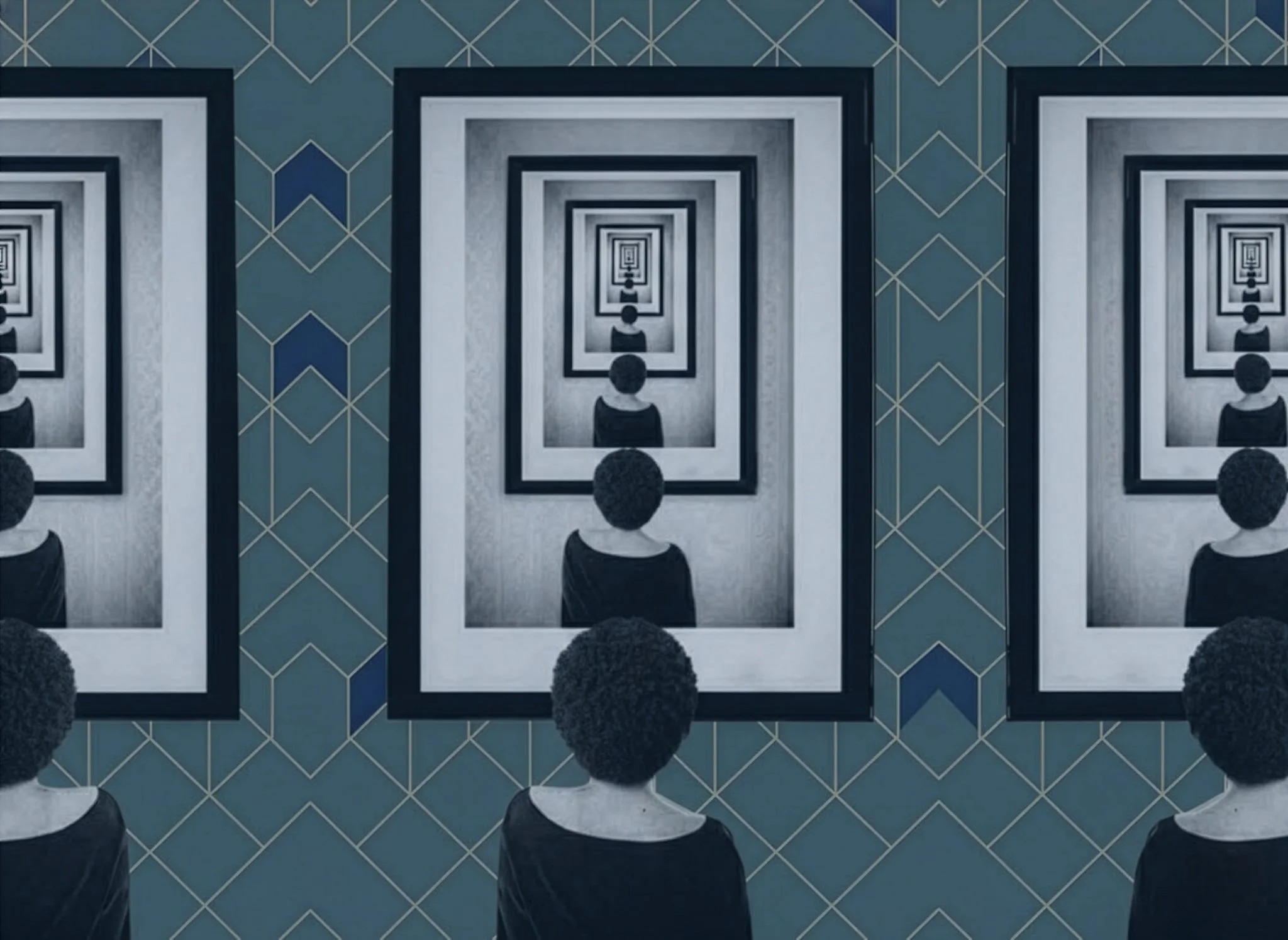
You know exactly which parts of yourself you edit before you walk into a room. You've been doing it so long it feels like breathing. When Ayanna Gregory sat down with me for the Shaping Freedom podcast, she named something you've probably felt but never said out loud, what it costs to carry a legacy and a self at the same time.
Ayanna is an artist, educator, sound healer, and the daughter of legendary civil rights activist Dick Gregory. She grew up inside the movement. Not studying it. Living it. Death threats on the phone. Assassination attempts as background noise. But she also grew up in Plymouth, Massachusetts, a very white environment where she couldn't find herself outside her own front door. How she navigated that, and what she's only now giving herself permission to reclaim, hit me in a way I want to share with you:
1. The world inside tells the truth about what's missing outside
When Ayanna couldn't find herself reflected in Plymouth, she built a parallel universe. An interior world where she co-created everything her environment withheld.
"I created a parallel universe for myself," Ayanna told me. "And in that universe, I co-created all the things that I felt like I wasn't getting in my social spaces."
Most children are told to imagine, to dream, and then at some point, told to stop. Grow up. Ayanna never did. She needed that world to stay whole.
This didn't come from nowhere. The parallel universe was a strategy. It preserved the part of herself that was most alive. Nearly 30 years later, she brings that same capacity into rooms full of young people through music, storytelling, and sound healing. What you build inside yourself when the outside world can't hold you; that's data.
2. Carrying someone's name can quietly cost you your own
Ayanna watched her father walk into impossible situations. Six cops beating him at a demonstration while her pregnant mother watched. Dick Gregory moved through all of it with a conviction that defied logic.
That kind of modeling builds a template for fearlessness. But it also builds an unspoken rulebook.
"I realized there were aspects of myself that I wasn't allowing to be expressed because I'm Dick Gregory's daughter," Ayanna admitted. "I don't want to shame the family."
She could be the educator. The activist. The carrier of legacy. But the artist with three unrecorded albums inside her? The woman who froze when a student spotted her in a crop top at the mall? Those parts got filed away.
Her friends saw it. You're doing great work, that's beautiful. But where are you? Where is Ayanna?
What you learned became your strategy. And the strategy worked until it started costing her pieces of who she actually was.
3. Showing up doesn't always look the way it used to
In May 2020, when the world erupted after George Floyd's murder, Ayanna felt the pull every lifelong activist knows. She was supposed to be in the streets. The Gregory way.
But she had her little nieces that weekend. And something shifted.
"I recognized that I was kind of putting it on being with my nieces. But I was like, no, you actually are being called for something else now."
Instead of marching, she reached out to organizers at Black Lives Matter DC to hold space. She set up a healing room in a church for young activists who hadn't stopped long enough to breathe. Ayanna brought sage, ancestor images, and created room for softness and tears.
"I am here to remind you, in this space of combat, that there is still safety. There is love."
Ayanna's parallel universe saved her as a child. It became her creative life as an adult. And it's still teaching her who she is when she stops performing and starts listening. Ayanna chose herself the moment she stopped asking what was expected and started asking what was actually needed; of her, by her, for her.
TL;DR:
The inner world you built as a child wasn't escape. What you created inside yourself when the world couldn't hold you was never random. It was a strategy. And it's still telling you who you are.
Carrying someone's legacy can quietly cost you your own voice. When honoring a family name means filing away parts of who you are, the cost compounds until your people start asking where you went.
Showing up doesn't always look the way it used to. Sometimes showing up differently, softer, slower, more grounded, is the most honest thing you can do.
Learn More:
Follow Ayanna Gregory on Instagram at @imayannagregory. She is an activist, healer, songstress,and truth teller, stepping fully into every layer of who she is.