

Two Childhoods, One Marriage | Why our patterns run our relationships
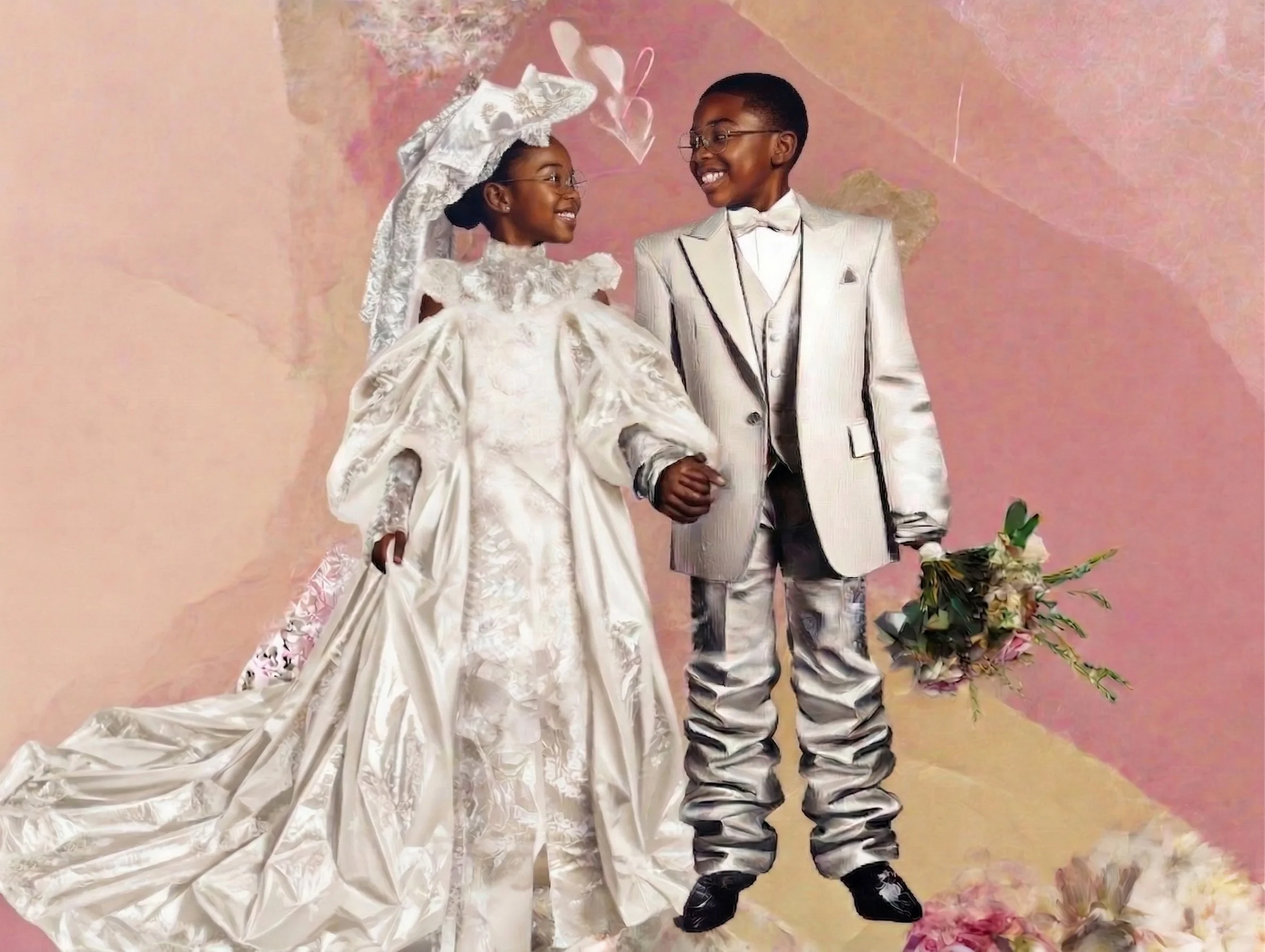
Most of what we know about marriage, we learn by observing the world around us; the people who raised us, other family members, and the rom-coms that idealize a happily ever after soulmate connection. From those examples, we tend to romanticize our expectations, bringing a performative template into our relationship.
When Glen and Yvette Henry sat down with me for the Shaping Freedom podcast, they spoke candidly about what it actually takes to build a marriage while both people are still becoming who they are. Glen is the creator of Beleaf in Fatherhood, the YouTube channel that's made millions of people laugh while showing what being a dad really looks like. He's also the author of Father Yourself First.
Yvette is a writer, a homeschooling mother of four, and the author of the devotional Release, Rest, Remain. Together they host the podcast How Married Are You?!, where they've spent years talking openly about marriage, conflict, parenting, and the inner work required to actually grow together. I have deep respect and appreciation for how candid this couple is in sharing the hard parts out loud. Here are a few gems that I took from the conversation:
1. Your patterns walked into the relationship right along with you
We bring the whole of who we are into our relationships, whether we are aware of it or not. This includes the ways we’ve processed and made sense of our childhood experiences – and what we expect because of them.
Glen and Yvette’s dads had worked together for 15 years at the time the couple met. While that shared experience probably provided some semblance of familiarity, they brought different templates to the table.
Glen admitted that he came into the relationship unaware that his “mommy issues” had come along for the ride. She was a single parent, did everything for the home, and he sometimes bore the brunt of her aggression. So, what he brought into the relationship was an expectation that his wife would carry the household and that he needed to do everything he could to not upset her. This programming ran in the background – subtle, invisible, and running the show until he realized what was actually happening.
Yvette came into the marriage intending to replicate the tight-knit village she’d grown up in. She admits that in the beginning, “I prioritized the village in a way that was not healthy for her and Glen’s relationship or for our family dynamic.” She also witnessed her mother’s experience with her father’s entrepreneurial pursuit. The prospect of the instability and insecurity was unsettling, and she brought that into their relationship. Glen and Yvette, like so many other couples, brought a template into their marriage that wasn’t in alignment with the reality of their blended experience. They entered the relationship rough, as Glen put it. “We were so rough and just the whole time smoothing each other out to get to a point where we can work together.”
2. Awareness turned a corner for them; they were both becoming and trying to figure it out.
For Yvette, a pivot arrived after her fourth child was born in 2019. She had quit the teaching career she'd aspired to her whole life to homeschool their children full-time. They were in the midst of a two-year period of lots of change – professionally, publicly, with their children, all while maintaining a marriage and fighting for her identity. Between the hormones, the identity shift, and the thanklessness of the role, she started having thoughts she knew weren’t healthy. She started therapy that year and the journey helped her recognize that she had walls up and that her younger self wanted to be addressed. Eventually, she wanted them to get into couples therapy.
Glen was reluctant. He knew he was, in his words, jacked up. His mother would call and his heart would race. But it felt like one more thing on a list he already couldn't finish. He eventually went because he wanted to address that Yvette was “getting on his nerves.” No matter how they got there, they’d always been very intentional about what they were creating. What he eventually realized was that, while playing the role for his family, he’d put himself in a category where he wasn't even part of his own family. "I was working for them, not working with them." Glen’s words spoke volumes. Like many men, he was working hard for his family, yet not alongside them. He wasn’t present with the very unit he was working so hard for. This took him to a place of awareness that moved beyond the identity he’d established through his earlier observations. He realized there was no going back. He couldn’t unsee what was becoming clearer to him. "Just having the awareness is most of it," he said. This is exactly the point – awareness takes us and our families so much further than gripping an identity we never actually chose.
3. You can only give your family the calm you carry
Glen realized he had the capacity to be a good father to his children, and he needed to give himself that same kind of steady presence. He built an inner voice from his own parental instinct, his wife's wisdom, and his therapist's guidance, and started fathering himself through the hard moments. He did this for the future he wanted his family to have. I love the way he describes his process: "Leading myself to a place of calm, because that's what I need, and that's what I give to my children. I don’t want my kids to walk on eggshells around me.”
Yvette was navigating the same territory from the other side. For her, it came through rest, something most women have to fight for. She recognized that she was trying to uphold expectations that weren’t placed on her. Through her work, she realized that she could simply let it go. "We as women sometimes feel like we have to earn rest," she said. "When I am well-rested, I show up better as a human being." Her devotional, Release, Rest, Remain, came out of learning to practice it herself.
They embody the reality that you can’t show up for your partner (or any of the roles we have) from a place of performance. Nor can you show up for your partner fully until you are willing to show up for yourself.
"Who you marry is not who you end up with," Yvette said. "You are marrying someone you love right now, but you have to be willing to love them at every version of themselves." That's what Glen and Yvette have been doing for and with each other.
The work this couple is doing will impact their family legacy for generations to come! I loved this conversation and know you will too.
TL;DR:
Your patterns walked down the aisle with you. Every model of love you absorbed growing up came to the wedding. You don't get to pretend otherwise.
Awareness is most of the work. You can't change what you don't see. The moment you name the pattern, you have a choice you didn't have before.
You can only give your family the calm you carry. The steadiness your partner and kids feel is the one you've built inside yourself. There's no way to fake it
Learn More:
Follow Glen Henry on Instagram for the honest, funny, real-time look at fatherhood that built the whole platform.
Follow Yvette Henry on Instagram for her conversations on motherhood, rest, and faith.
Grab Father Yourself First by Glen Henry and Release, Rest, Remain by Yvette Henry wherever you shop for your books.
Tune into the How Married Are You?! podcast for years of unfiltered conversations about the work it actually takes to build a marriage worth keeping.
Listen to the full Shaping Freedom episode to hear Glen and Yvette talk candidly about therapy, the patterns they inherited, and the versions of themselves they're still becoming.